
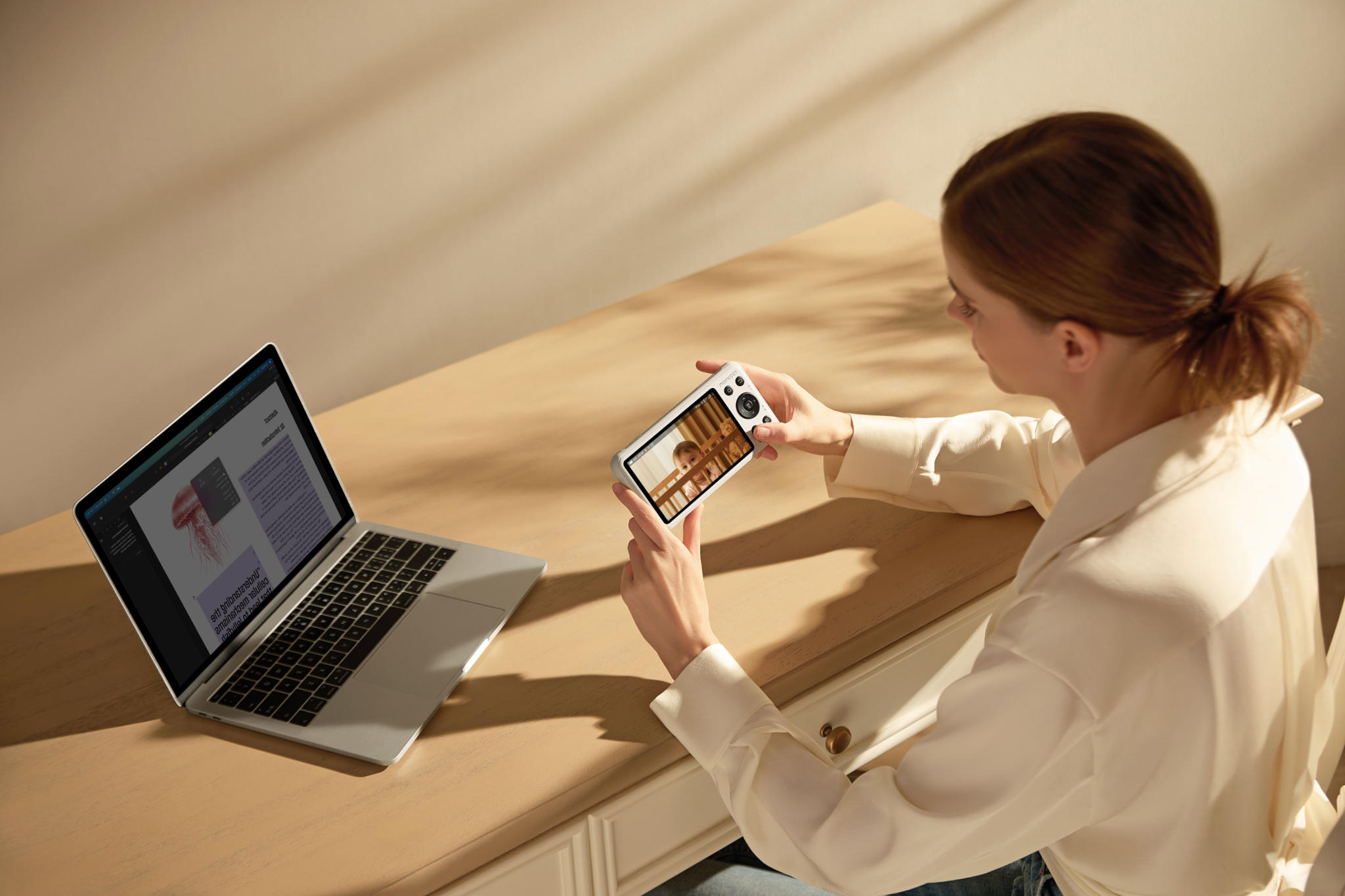
Addressing the Growing Concern of Baby Safety
For today’s parents, caring for a baby often means managing feeding times, work calls, household tasks, and moments of rest all at once. In the middle of that busy routine, baby safety remains the one thing parents never want to compromise. Fortunately, technology is making it easier to stay close, even when parents are in another room or away from home. A smart baby monitor has become more than a helpful gadget; it is a daily support tool that gives families comfort, awareness, and peace of mind.
The Importance of Baby Monitoring Technology
Baby monitoring has always played an important role in helping parents feel reassured. Traditional monitors allowed parents to hear their baby, but modern smart monitors now offer clearer visibility, faster alerts, and more flexible ways to check in. With real-time video, motion detection, and remote access, parents can better understand what is happening in the nursery. This added connection helps them respond quickly while also giving babies a safer and more comfortable environment.
Features and Benefits of Baby Monitors
One of the biggest advantages of today’s baby monitors is flexibility. Many models support both a home display unit and an app, allowing parents to monitor their baby in the way that best fits their routine. Wi-Fi and non-Wi-Fi modes also provide useful options: parents can rely on a secure local connection at home while still having access through an app when they are outside. This balance of convenience and safety is especially helpful for families who need dependable monitoring without complicated setup.
Meeting the Needs of Busy Parents
Busy parents need tools that work quietly in the background and alert them when attention is needed. Smart motion detection can notice small movements, such as a baby waking, rolling over, or shifting during sleep. These alerts help parents act sooner, whether that means checking the room, adjusting the sleep space, or simply knowing their baby is resting well. For parents who often feel pulled in different directions, this kind of support can reduce stress and make daily care feel more manageable.
How to Choose the Right Baby Monitor
Choosing the right baby monitor starts with understanding your lifestyle. Parents who travel, work from home, or share caregiving responsibilities may benefit from a portable model with remote access. It is also important to focus on features that truly matter, such as clear video quality, reliable connection, motion detection, and simple controls. The Momcozy 5-Inch Dual-mode Smart Baby Monitor is a strong example because it combines a home monitor with app-based viewing, giving parents the freedom to stay connected in different situations. For families who value safety and convenience, this type of dual-mode design can be a practical choice.
Essential for Every Parent
The right baby monitor can make a meaningful difference in how parents care for their baby each day. It helps them stay aware, respond faster, and feel more confident, even during the busiest moments. The Momcozy Smart Baby Monitor shows how modern parenting technology can support safety without making life more complicated. While every family has different needs and preferences, one thing is clear: smart monitoring can help parents protect their baby with greater confidence, convenience, and peace of mind.