
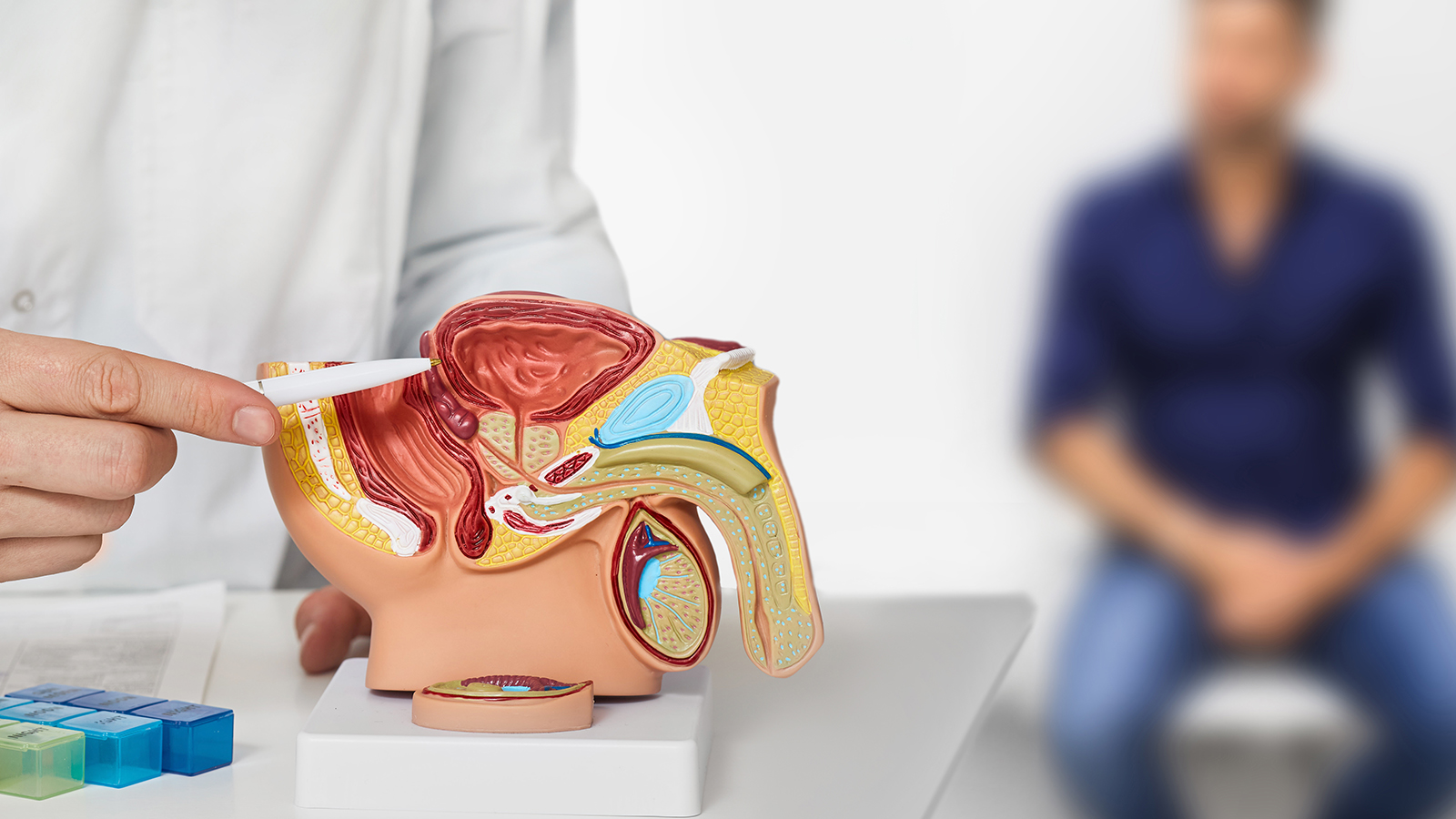
Prostate enlargement, also known as benign prostatic hyperplasia (BPH), is a common condition affecting men as they age. While medications can often manage symptoms, surgery may be necessary when these treatments fail or when the condition becomes severe. There are several surgical options to consider, and choosing the right one depends on the size of the prostate, the severity of the symptoms, and the overall patient health.
What is Prostate Enlargement?
Prostate enlargement occurs when the prostate gland, which surrounds the urethra, grows larger than normal. This can restrict urine flow and lead to symptoms such as frequent urination, difficulty starting or stopping urination, and a feeling of incomplete emptying of the bladder. Although BPH is not cancerous, its symptoms can significantly affect a man’s quality of life.
Common Surgical Treatments for Prostate Enlargement
When non-invasive treatments, like medications or lifestyle changes, don’t provide sufficient relief, surgical solutions become a viable option. Among the most effective treatments are:
Transurethral Resection of the Prostate (TURP)
TURP is one of the most commonly performed surgeries for prostate enlargement. It involves removing part of the prostate gland to relieve pressure on the urethra. A resectoscope, a thin tube with a light and camera, is inserted through the urethra to trim excess tissue causing obstruction. This procedure offers significant relief from symptoms, with most men experiencing long-term improvement in urinary flow and bladder function. TURP is highly effective for moderate to severe cases of BPH..
Laser Therapy
Laser surgery uses focused light to remove or shrink prostate tissue. The two main types are Holmium laser enucleation of the prostate (HoLEP) and photoselective vaporisation of the prostate (PVP). Both are minimally invasive with fewer complications than traditional surgery. HoLEP is recommended for larger prostates, efficiently removing tissue with minimal bleeding. Laser procedures typically have shorter recovery times and a lower risk of complications such as erectile dysfunction or incontinence.
Prostatectomy
In more severe cases where other treatments are ineffective, a simple prostatectomy may be performed. This procedure involves removing the enlarged portion of the prostate gland through an incision in the abdomen. It is generally reserved for very large prostates that cannot be treated with other techniques. While effective, it is a more invasive procedure that requires a longer recovery period and carries higher risks, including infection and bleeding.
UroLift System
For men who want a minimally invasive option, the UroLift system offers an alternative. This procedure involves using small implants to lift and hold the enlarged prostate tissue out of the way, thereby improving urine flow. Unlike other surgeries, UroLift does not involve cutting, heating, or removing tissue, making it a gentler option with a faster recovery time. It’s especially beneficial for men with a smaller prostate and those who want to avoid long hospital stays.
Transurethral Microwave Therapy (TUMT)
TUMT is a heat-based therapy that uses microwave energy to destroy prostate tissue. This treatment is typically used for men with moderate BPH symptoms and a prostate that is not excessively large. TUMT can be performed under local anaesthesia, and the procedure itself takes less than an hour. Though less invasive than TURP, it is not as widely used due to its variable results and potential for requiring repeated treatments.
Final Thoughts
Choosing the right surgery for prostate enlargement depends on your health, prostate size, and symptom severity. TURP and laser therapy are highly effective, while newer options like UroLift offer less invasive alternatives. Consulting a specialist is essential to determine the best treatment for your individual needs.