
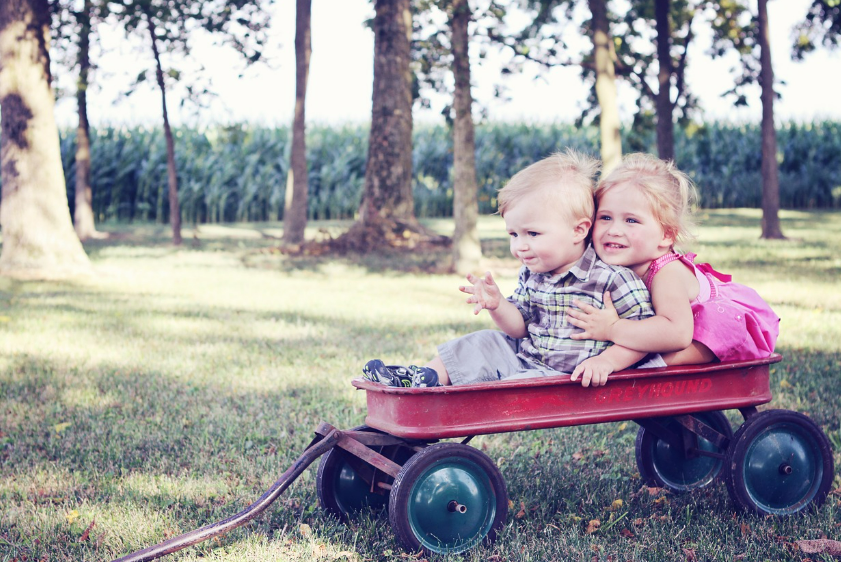
Helping children escape and connect with nature has become more important than ever. Research shows that nature interaction improves focus, reduces anxiety, and sparks creativity—all without requiring wilderness adventures or perfect weather conditions.
Why Nature Connection Matters
Children who regularly engage with nature develop stronger observation skills, scientific thinking, and emotional regulation. These skills transfer directly to academic and social success, with benefits that extend well beyond science education.
Bringing Nature Indoors
Simple indoor activities create meaningful nature connections:
Home observation station: Designate a windowsill for natural treasures and simple tools like magnifying glasses. Rotate items seasonally—pinecones in fall, seedpods in spring—to highlight natural cycles.
Kitchen gardening: Growing herbs or microgreens provides daily growth-tracking opportunities. Even toddlers can help water plants and notice changes.
Fresh flowers as learning tools: Receiving fresh-cut flowers creates immediate engagement opportunities. Farm-fresh flower deliveries from services like BloomsyBox bring seasonal varieties directly to your home, creating convenient teaching moments about plant diversity, growth patterns, and care routines without elaborate preparation.
Backyard Explorations
Your yard or nearby park offers rich learning environments:
Micro-habitat investigations: Challenge children to find different soil types, plant varieties, or insect homes in a small area. These activities develop classification skills and ecological understanding.
Weather observations: Track simple weather patterns using homemade tools like rain gauges or wind socks. Daily recordings help children recognize seasonal transitions.
Container gardens: Even small pots teach valuable lessons about plant needs and life cycles. Let delivered flowers inspire your planting choices.
Educational Flower Journeys
Fresh flowers create unexpected learning pathways:
Farm-to-vase stories: Discuss the journey flowers take from growing fields to your home. Simple maps develop global awareness and supply chain understanding.
Plant anatomy exploration: Flowers provide perfect specimens for gentle examination. Children can count petals, examine stamens, and learn basic plant parts through hands-on investigation.
Care responsibilities: Following care instructions builds accountability. Create a simple chart where children track water changes and flower longevity.
Age-Appropriate Activities
Toddlers (2-3 years): Focus on sensory exploration—smelling flowers, feeling textures, and simple vocabulary building.
Preschoolers (4-5 years): Introduce basic responsibilities like arranging stems and watering. Encourage observational drawing.
Early elementary (6-8 years): Support simple journaling about flower changes. Try basic experiments like adding food coloring to water to observe transpiration.
Older children (9-12 years): Facilitate research about flower origins and cultural significance. Encourage photography or detailed observation projects.
Building Nature Rituals
Consistent experiences deepen learning:
Weekly flower care: Establish regular routines where children help refresh arrangements and observe changes.
Seasonal celebrations: Mark calendar transitions by discussing which flowers appear in different seasons and why natural cycles matter.
Documentation: Press flowers, create simple herbarium specimens, or photograph weekly changes to develop pattern recognition.
Enhancing Learning
Identification resources: Use books or apps to identify flower varieties and learn about their origins.
Digital connection: Balance hands-on activities with occasional virtual tours of gardens or farms to understand larger ecosystems.
Environmental awareness: Use flower varieties as starting points for age-appropriate discussions about growing practices, pollinator relationships, and habitat needs.
Conclusion
Nature education doesn’t require elaborate setups or perfect conditions. With simple activities centered around readily available materials—including fresh flowers delivered to your door—you can foster scientific thinking, responsibility, and environmental appreciation in children of all ages.
Start with just one nature-based activity weekly, and you’ll likely notice increased curiosity and improved observation skills. These early connections create a foundation for environmental stewardship that can last a lifetime.