
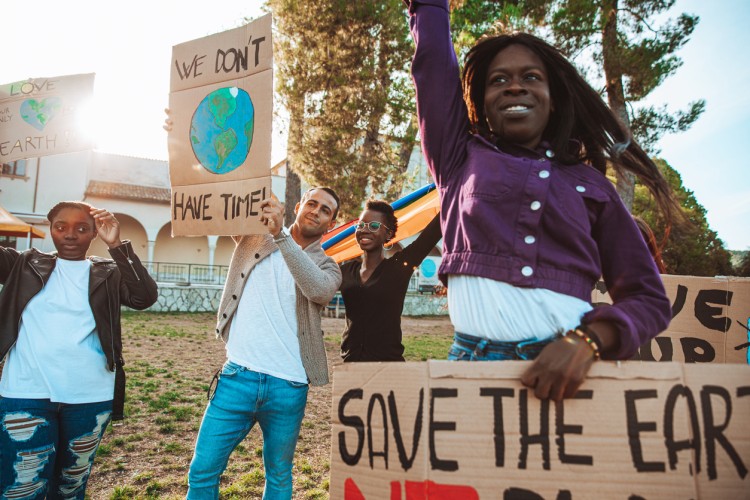
You don’t have to be an adult to make a difference, and young activists are proving that every day. From calling out companies for greenwashing to punish governments toward stricter climate policies, youth activism isn’t just about making noise – it’s about creating real change. You see it everywhere: social media movements, school protests, and consumer shifts that force businesses to rethink their impact.
It’s not just about personal choices; it’s about influencing systems. The best part? These values aren’t going anywhere. For today’s youth, sustainability isn’t a trend – it’s a core belief, and that’s exactly why the future looks greener.
Developing ideals as core values
The values you pick up as a kid tend to stick with you for life. It’s not something you consciously decide – it just happens. If you grow up seeing sustainability as important, you don’t question it. It becomes second nature, like knowing you should recycle or turn off unnecessary lights.
These values also shape one’s identity. One does not follow a rule just because someone told them to—one believes in it. This is why so many young activists feel so strongly about environmental issues. It’s not just an interest; it’s a fundamental part of who they are and how they see the world. This is why environmental education programs for youth are so important—they have an immediate effect, and this effect accumulates throughout one’s life.
Contrary to habits that require effort and discipline, core values feel effortless. You don’t have to remind yourself to care about the planet – you just do. It’s why young activists push for change with so much passion. To them, it’s not a trend or a movement; it’s simply the right thing to do.
Moreover, people naturally share their values. When something feels important to you, you talk about it. You encourage friends to make better choices, support sustainable brands, or join climate protests. It spreads naturally, and before you know it, what started as a personal belief turns into a collective movement that’s hard to ignore.
Social media as a tool for change
Youth activism thrives on social media because it easily spreads a message. One post can reach thousands, and a viral video can spark a global conversation. You see it all the time – hashtags, challenges, and online movements driving real-world change. It’s activism at the speed of the internet.
Social media isn’t just about reach; it’s about connection. Young activists don’t have to work in isolation. They join forces with others worldwide, building communities that strengthen their impact. Whether it’s climate strikes or petitions, the internet brings together voices that might otherwise go unheard.
Online petitions and fundraisers make activism more accessible. Signing a petition, donating, or sharing a campaign takes seconds. That convenience means more people get involved, which is why youth-led initiatives gain so much momentum—there’s no barrier to entry, just a click and a commitment to change.
The real power of social media lies in how it influences big brands and policies. Companies care about their image, and when enough young people speak up, they listen. You’ve seen it happen -businesses switching to sustainable packaging, fashion brands abandoning harmful practices, all because social media pressure made them rethink their choices.
The push for climate-friendly policies
Young activists aren’t just talking about change – they’re demanding it. Governments can’t ignore massive protests, petitions, and movements led by passionate youth. When enough people take to the streets or flood officials’ inboxes with demands, policies start shifting. Climate laws aren’t passed because politicians feel generous; they’re passed because people push for them.
Protests force governments to respond, whether they want to or not. When thousands of students skip school for climate strikes, it’s hard to pretend the issue isn’t serious. Public pressure works. If leaders don’t act, they lose support, and in politics, losing support is the fastest way to lose power.
Youth-led groups aren’t just targeting governments. They’re also holding corporations accountable. When businesses contribute to climate change, activists call them out. You see campaigns demanding brands reduce emissions, cut waste, and stop greenwashing. Some companies resist, but many realize that staying on the wrong side of history isn’t good for business.
The fight isn’t just about big institutions. Schools and universities are also feeling the pressure. Students demand sustainability initiatives on campus, from better recycling programs to divesting from fossil fuels. Change starts where you spend most of your time, and for young people, that means turning their schools into models of environmental responsibility. It’s not just about enforcing sustainable habits at your home. It’s about looking beyond, as well.
Sustainable consumer choices
Young consumers have more power than they think. Every dollar spent is a vote for the kind of world they want, and they’re making it clear: they want eco-friendly options. Companies that ignore this shift are struggling, while sustainable brands are thriving. This is not just a phase—it’s a complete change in consumer priorities.
Also, fast fashion and wasteful industries are suffering. More young people are thrifting, upcycling, and rejecting the idea that clothes should be disposable. They’re questioning why a $5 T-shirt costs less than a coffee and who actually pays the price. The planet does, and they’re not okay with that.
Businesses are realizing they need to change or get left behind. You see brands switching to ethical sourcing, reducing plastic, and advertising their sustainability efforts more than ever. Of course, some of it is just marketing, but the fact that they feel the need to do it proves how powerful consumer choices really are.
It’s not just about boycotting bad practices. Young people actively support local and sustainable businesses, choosing products that align with their values. It’s why eco-friendly startups are booming and why big companies are scrambling to keep up. The message is clear: adapt to sustainability or become irrelevant.
Wrap up
Youth activism doesn’t stop when these young people grow up. The kids leading climate strikes today will be the policymakers, CEOs, and educators of tomorrow. That means the push for sustainability isn’t fading—it’s only getting stronger. You see companies scrambling to keep up, governments forced to listen, and entire industries shifting toward greener practices. It all starts with young people who refuse to accept business as usual.