
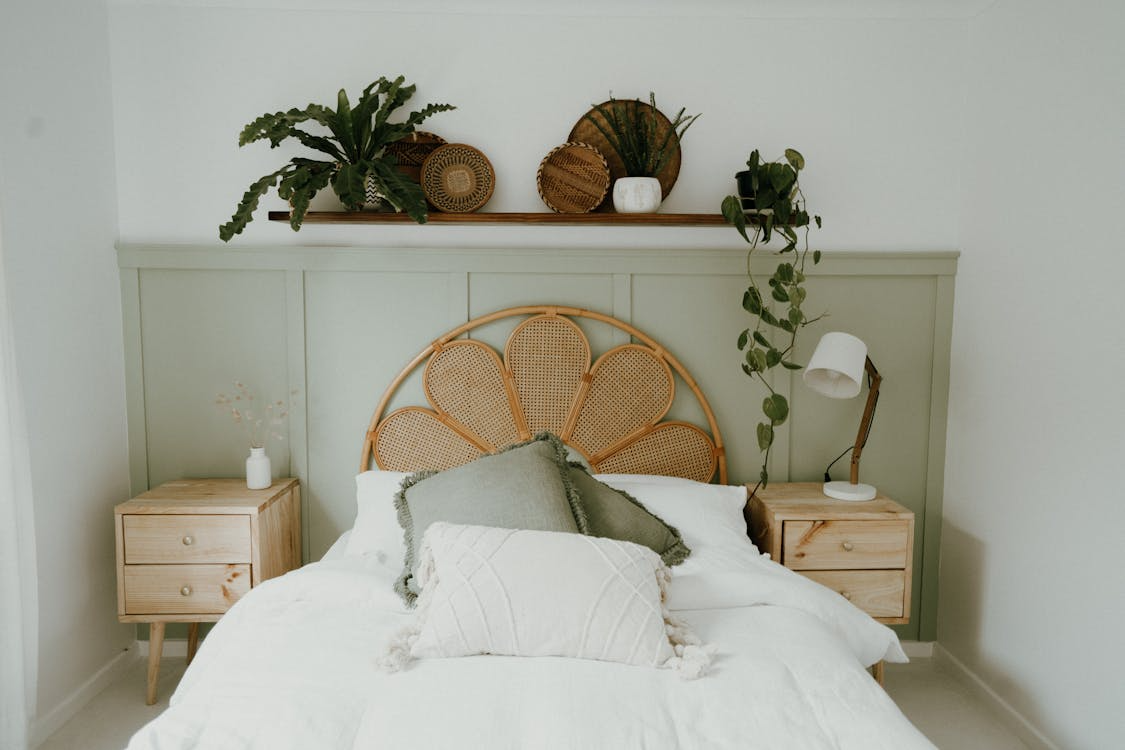
Living in a smaller space doesn’t have to feel limiting. Whether you’re in a compact home, condo, or city apartment, the way a space is used often matters more than the square footage itself. With a few smart upgrades, you can boost comfort, add function, and make your rooms feel more open, even without adding a single inch.
Many homeowners find themselves frustrated with cluttered rooms, awkward layouts, or outdated storage. But the good news is that it doesn’t take a full renovation to get big results. By focusing on key areas and making intentional design choices, you can transform your home into a space that feels more spacious, organized, and useful.
The goal is to maximize what you already have. That starts with identifying which areas of your home aren’t pulling their weight. Bathrooms, kitchens, and entryways often fall into that category. These spaces are used every day, but they tend to be small and crowded, making them perfect candidates for targeted updates.
Upgrade the Bathroom for Better Functionality
Bathrooms might be one of the smallest rooms in a house, but they have a big impact on daily routines. If your bathroom feels cramped, lacks storage, or just doesn’t flow well, even simple tasks like getting ready in the morning can feel like a chore. Fortunately, a few smart changes can make a big difference.
Start by looking at the layout. Can the vanity be replaced with a more compact version? Would a walk-in shower save space compared to a bulky tub? Wall-mounted sinks and recessed storage also free up floor area without sacrificing function. Every square foot counts in a bathroom, so the goal is to open up the space without losing what you need.
If you’re working with limited space and need expert help rethinking the layout or features, hiring a bathroom remodeling company can be a smart move. They can help you design a space that feels bigger, functions better, and fits your style. Whether it’s adjusting plumbing lines, selecting compact fixtures, or using materials that reflect more light, a professional team can help you get it done right.
You don’t need to knock down walls to improve your bathroom. Replacing oversized cabinets with floating shelves, choosing a sliding door instead of a swinging one, or switching to a clear glass shower panel can visually open up the room. Lighting also plays a role—swapping out old bulbs for bright, white LED lights can make the space feel fresher and more modern.
A well-planned bathroom update doesn’t just improve how a room looks; it changes how you use it. With the right upgrades, even the smallest bathroom can become one of the most efficient and comfortable spots in your home.
Optimize Kitchen Storage and Layout
The kitchen is one of the busiest rooms in the home, so even small upgrades can make a big impact. In compact kitchens, clutter builds up quickly—on counters, inside drawers, and around appliances. The trick is to make every cabinet and surface work harder.
Start by rethinking storage. Pull-out shelves inside base cabinets make it easier to reach items at the back. Overhead cabinets that go to the ceiling give you more room for rarely used cookware or dry goods. If you’re low on drawer space, try adding vertical organizers for cutting boards or baking trays. Installing a few hooks or magnetic strips for utensils also frees up drawer space.
Open shelving can help make a small kitchen feel bigger, but it works best when you keep the shelves tidy. Use matching containers and baskets to keep items grouped and easy to reach. Choosing slim-profile appliances can help too—some brands make narrow dishwashers, stoves, and fridges designed for smaller kitchens.
Lighting matters here as well. Under-cabinet lights improve visibility for cooking and prep, while bright overhead fixtures help the whole kitchen feel clean and spacious. Even something as simple as swapping bulky cabinet knobs for sleek handles can contribute to a more open look.
Use Built-Ins and Multifunctional Furniture
Every inch of space matters in a smaller home, which makes built-in features and multifunctional furniture worth considering. These solutions reduce clutter and give rooms a more custom feel.
Built-in benches along a wall or under a window offer seating and storage in one. Add cushions on top, and you’ve got a breakfast nook or reading corner without taking up extra floor space. Wall-mounted desks are great for creating home office zones in bedrooms or hallways, and fold-out tables can double as dining space and a work surface.
Beds with storage drawers or lift-up frames are perfect for small bedrooms. Instead of needing an extra dresser, you can keep off-season clothes, bedding, or shoes tucked underneath. In living rooms, look for ottomans that open up or side tables with hidden storage compartments.
If you’re furnishing a studio apartment or a multipurpose room, stick with pieces that adapt to different needs. Modular sectionals, nesting tables, and futons give you flexibility without overcrowding the space.
Light, Color, and Layout Tricks That Visually Expand a Room
Visual tricks can help any room feel bigger than it is. Light, both natural and artificial, plays a big role. Use sheer curtains or light-filtering shades to let in daylight. In darker rooms, add layered lighting with floor lamps, sconces, or track lights to brighten corners and walls.
Stick with lighter paint colors—soft white, pale gray, or beige work well in small spaces. Glossy or satin finishes reflect light better than flat paint and can help rooms feel airier.
Mirrors are another go-to tool. Hanging a large mirror across from a window bounces light around and gives the illusion of depth. You can also use mirrored furniture or glass-top tables to keep things feeling open.
When it comes to layout, try floating furniture away from walls, especially in living rooms. This can create a natural flow and prevent that boxed-in feeling. Keeping sightlines clear from one room to the next also helps rooms feel connected and less closed off.
Improve Closet and Entryway Organization
Closets and entryways are often underused. With a few changes, they can become some of the most efficient areas in your home. In closets, use double hanging rods, slim hangers, and labeled bins to maximize space. Over-the-door storage adds room for shoes, scarves, or accessories.
In small entryways, go vertical. Add wall hooks, key racks, and a small floating shelf. If space allows, a bench with cubbies or drawers gives your family a place to drop bags, shoes, and jackets. Keeping this area clean and organized helps keep clutter from spreading through the rest of the home.
Working with a smaller space doesn’t mean you have to settle for less comfort or functionality. With the right upgrades—both visual and practical—you can make the most of every square foot. Smart storage, updated layouts, and simple design choices can turn even the tightest spaces into ones that feel well-planned and inviting. Small improvements go a long way when every detail is working for you.