
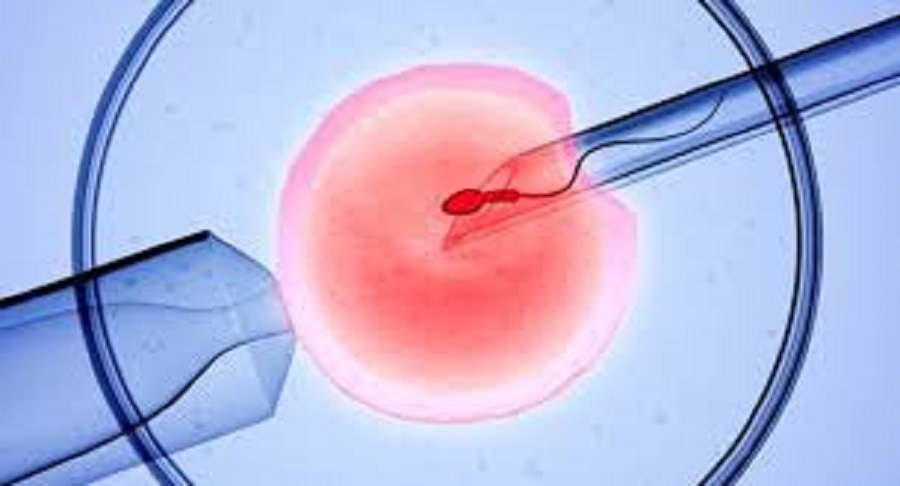
Infertility is a growing concern for many couples worldwide, making IVF Causes and Evaluation an essential topic for those seeking answers and solutions. Understanding the reasons behind infertility and the evaluation process can help individuals make informed decisions about their reproductive health and treatment options.
What is IVF and Why is Evaluation Important?
In vitro fertilization (IVF) is an advanced medical procedure that helps couples conceive when natural methods are unsuccessful. However, before starting IVF, identifying the root causes of infertility is crucial. A detailed evaluation ensures that the treatment plan is personalized and increases the chances of success.
For comprehensive medical support and advanced fertility treatments, many patients turn to Liv Hospital, known for its modern diagnostic tools and expert care.
Common Causes of Infertility
Understanding the underlying causes is the first step in the IVF Causes and Evaluation process. Infertility can affect both men and women, and sometimes both partners may contribute to the issue.
1. Female Infertility Factors
Several conditions can impact a woman’s ability to conceive:
- Ovulation Disorders: Irregular or absent ovulation is one of the most common causes.
- Fallopian Tube Damage: Blocked or damaged tubes prevent fertilization.
- Endometriosis: This condition affects the reproductive organs and may interfere with implantation.
- Age: Fertility declines significantly after the age of 35.
2. Male Infertility Factors
Male infertility is equally significant and may involve:
- Low Sperm Count: Reduced sperm production can limit fertilization chances.
- Poor Sperm Motility: Sperm may not swim effectively to reach the egg.
- Hormonal Imbalances: These can affect sperm production.
- Genetic Factors: Certain inherited conditions may contribute to infertility.
3. Unexplained Infertility
In some cases, no clear cause is identified even after thorough testing. This is known as unexplained infertility, and IVF often becomes a recommended treatment option.
The IVF Evaluation Process
A detailed assessment is essential before beginning IVF treatment. The IVF Causes and Evaluation process involves multiple diagnostic steps to determine the best course of action.
For a deeper understanding of this process, visit IVF Causes and Evaluation.
1. Medical History Review
Doctors begin by reviewing both partners’ medical histories, including previous pregnancies, lifestyle habits, and any known health conditions.
2. Physical Examination
A general physical exam helps identify visible or underlying health issues that may affect fertility.
3. Hormonal Testing
Blood tests are conducted to evaluate hormone levels, including those responsible for ovulation and sperm production.
4. Imaging Tests
Ultrasounds and other imaging techniques are used to examine reproductive organs such as the uterus and ovaries.
5. Semen Analysis
For men, semen analysis is a key diagnostic tool that assesses sperm count, shape, and movement.
6. Specialized Tests
In some cases, additional procedures like hysteroscopy or laparoscopy may be recommended to get a clearer view of internal reproductive structures.
Why Early Evaluation Matters
Early diagnosis through proper IVF Causes and Evaluation can significantly improve treatment outcomes. It allows healthcare providers to:
- Identify treatable conditions
- Customize fertility treatments
- Reduce emotional and financial stress
- Improve overall success rates of IVF
Delaying evaluation may lead to complications, especially in cases where age is a contributing factor.
Preparing for IVF Treatment
Once the evaluation is complete, patients can better prepare for IVF. This includes adopting a healthy lifestyle, managing stress, and following medical advice closely. Proper preparation enhances the effectiveness of the treatment and supports overall reproductive health.
Final Thoughts
Understanding IVF Causes and Evaluation empowers individuals and couples to take control of their fertility journey. With the right diagnosis and expert guidance, IVF can offer hope and a path to parenthood.
In addition to medical care, maintaining a balanced lifestyle is equally important. For helpful insights on wellness, healthy living, and self-care, you can explore live and feel, a valuable resource dedicated to improving overall well-being.