The Emergence of Sponsored Content Platforms
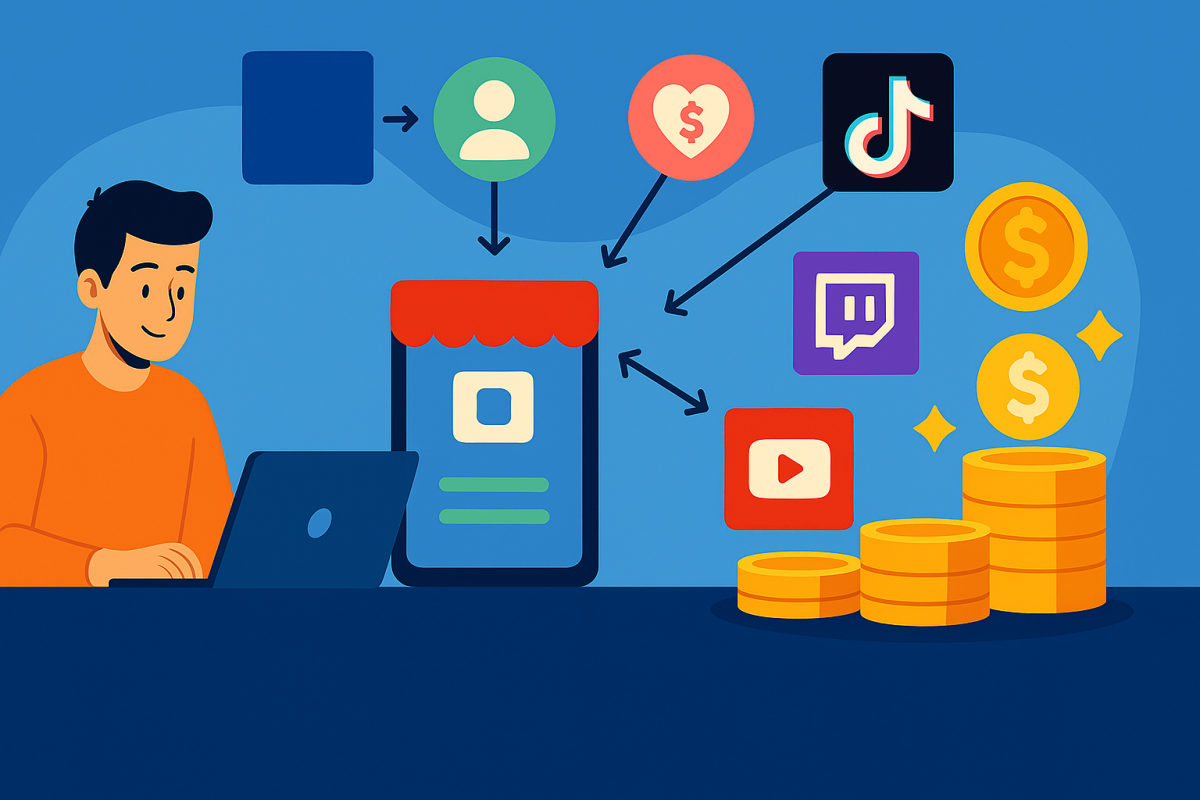
Content creators are constantly exploring innovative avenues to monetize their work. While traditional methods like ad revenue and direct brand sponsorships have been prevalent, the advent of the sponsored content platform is reshaping this landscape. Sponsored content platforms act as intermediaries, connecting creators with brands aiming for authentic promotion. These platforms streamline collaboration, enhancing efficiency for both parties. For example, Valued Voice offers a comprehensive solution for creators looking to monetize through sponsored posts. By facilitating partnerships between creators and brands, Valued Voice enables content creators to seamlessly integrate sponsored content into their platforms, thereby enhancing their monetization strategies.
Platforms like these use sophisticated algorithms to match creators with brands whose campaigns align with their niche, audience, and content style. This targeted approach creates campaigns that are more genuinely integrated, leading to higher engagement rates and more meaningful collaborations between creators and brands. With the ability to create profiles, pitch brands, and track campaign progress, creators have access to professional tools once reserved for large influencers or agencies.
The Evolution from Traditional Monetization Models
Historically, creators have relied on platform-generated ad revenue and direct brand collaborations. However, these approaches often present challenges such as income unpredictability and reliance on platform algorithms. Consequently, many creators are seeking alternative revenue streams to achieve financial stability.
For instance, ad revenues have always fluctuated due to ever-changing algorithms and the policies of major platforms such as YouTube, Instagram, and TikTok. This has driven creators to seek less volatile, more manageable forms of monetization. Direct deals with brands have their own pitfalls, such as negotiating terms, payment schedules, and brand fit, which can be time-consuming and often out of reach for smaller creators.
Advantages for Content Creators
- Diversified Income Streams: Sponsored content platforms enable creators to diversify their revenue, reducing dependence on a single income source.
- Efficient Collaboration: These platforms simplify the process of identifying and negotiating with brands, saving creators valuable time.
- Increased Credibility: Collaborating with reputable brands can enhance a creator’s credibility and attract a broader audience.
- Data and Analytics: Many platforms offer in-depth analytics and feedback, enabling creators to optimize their campaigns and better understand which content resonates with their audience.
- Access to New Opportunities: Sponsored content platforms often include exclusive partnership opportunities not available through direct outreach or organic discovery.
Case Study: How Platforms Empower Niche Creators
Consider the experience of micro-influencers or niche content creators in specialized fields like home gardening, DIY crafts, gaming, or specialized fitness. While these creators typically have smaller followings, their audiences are often highly engaged and passionate. Sponsored content platforms level the playing field, allowing smaller creators to access paid opportunities that previously went exclusively to macro-influencers. Brands now realize the value of working with creators who have direct, trusted relationships with their fans, resulting in higher conversion rates and more authentic integrations.
Impact on the Creator Economy
The integration of sponsored content platforms is significantly influencing the creator economy. Creators are diversifying their revenue streams beyond traditional influencer marketing, with many adopting direct-to-consumer models and other monetization strategies. This diversification is reshaping how creators engage with their audiences and monetize their content.
Moreover, as these platforms proliferate, creators are developing business acumen, learning to negotiate rates, interpret contracts, and analyze campaign performance. The creator economy is shifting toward creators taking full ownership of their brands and business operations, resulting in an empowered community that is less reliant on any single platform for income.
Challenges and Considerations
While sponsored content platforms offer numerous benefits, creators must navigate potential challenges:
- Maintaining Authenticity: It’s crucial to ensure that sponsored content aligns with the creator’s brand and resonates with their audience.
- Disclosure and Transparency: Adhering to guidelines for disclosing sponsored content is essential to maintain trust and comply with regulations.
- Quality Control: Creators should be selective about partnerships to ensure the products or services they promote are high-quality and relevant to their audience.
- Rate Negotiation and Fair Compensation: Understanding one’s own value is vital. Creators must be prepared to negotiate fair compensation and avoid undervaluing their influence or content quality.
- Time Management: Balancing multiple sponsored campaigns with organic content and community engagement can be demanding, highlighting the need for organization and planning.
Future Outlook
The landscape of content monetization is poised for continued evolution. As the creator economy matures, diversified revenue streams and direct-to-consumer models are replacing dependence on traditional sponsorships and platform payouts. This shift indicates a move towards greater autonomy and financial stability for creators.
We can expect increased sophistication in the technology powering these platforms, like machine learning models for smarter creator/brand matching, automated contract and payment processing, and even AI-powered campaign suggestions. Additionally, new payment models such as royalties, performance-based incentives, and blockchain-powered smart contracts are likely to increase transparency and accelerate compensation cycles.
As audiences become more content-savvy, authenticity will remain paramount. Creators who maintain a clear voice and values while strategically integrating brand partnerships will continue to thrive in this evolving environment. The rise of new niches and platforms promises even more ways for creators to monetize diverse skillsets and passions, ensuring that the digital creator economy remains vibrant and accessible for years to come.
Conclusion
Sponsored content platforms are playing a pivotal role in transforming how creators monetize their content. By offering streamlined processes and diversified income opportunities, these platforms empower creators to build sustainable careers in the digital space. As the industry continues to evolve, embracing such platforms will be key for creators aiming to thrive in the competitive online environment.
Ultimately, the shift towards sponsored content platforms marks a significant step forward in democratizing the creator economy. Both aspiring and established creators now have greater access to monetization options, empowering them to focus on producing compelling, authentic content that resonates with audiences and brands worldwide.