
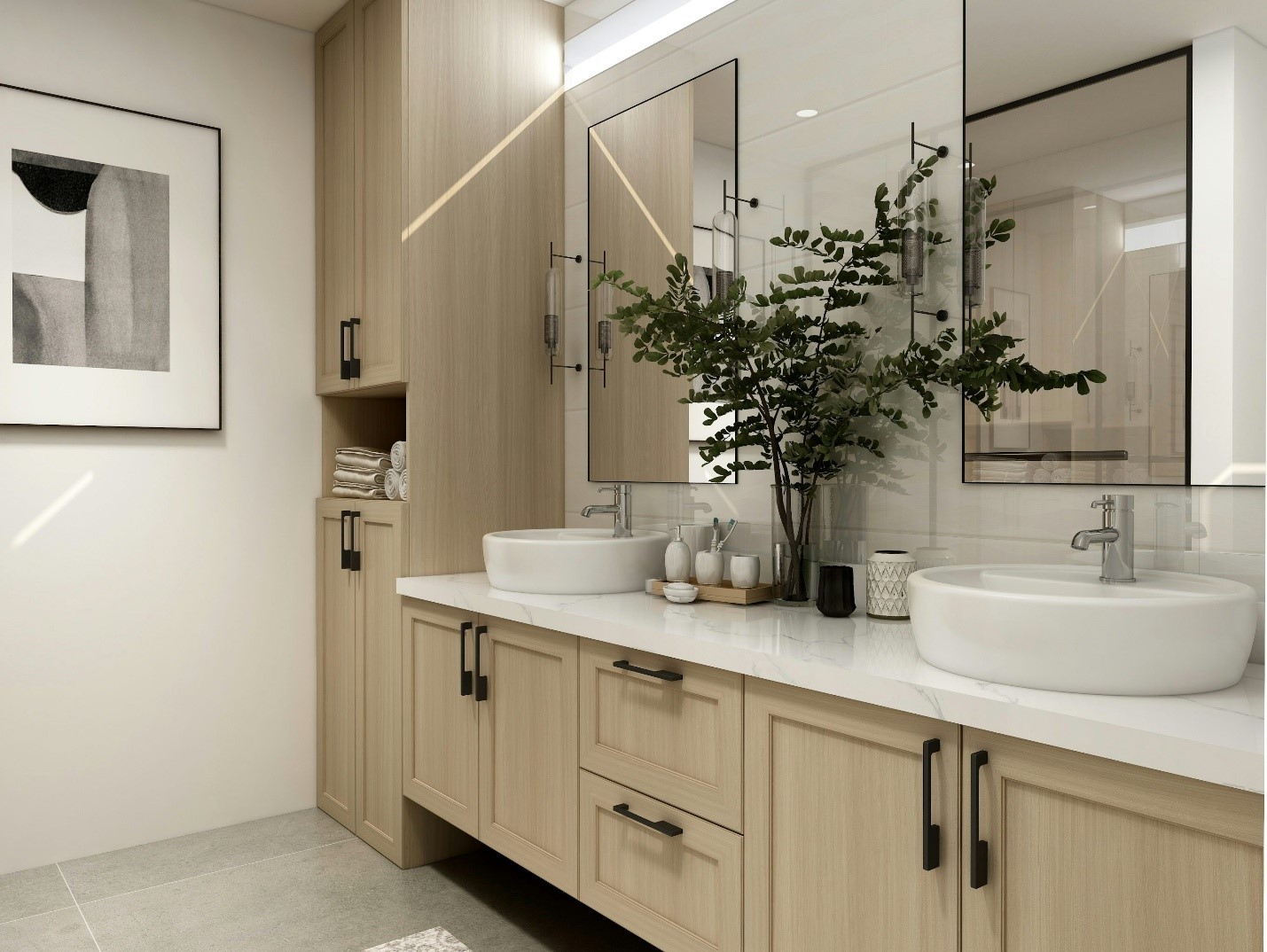
Slow living isn’t a trend—it’s a shift in mindset that’s transforming how people approach their homes. This lifestyle encourages simplicity, mindfulness, and comfort, offering a refreshing contrast to the rushed pace of modern life. Among all rooms in a house, the bathroom stands out as the perfect space to reflect this new philosophy. It’s more than just a functional zone—it’s becoming a quiet retreat where people pause and reset. Today, homeowners want their bathrooms to feel calm, warm, and intentionally designed. Through thoughtful choices, they’re creating spaces that echo the slower rhythm they seek in daily life.
1. The Rise of Intentional Spaces
Creating a calm and intentional bathroom starts with purpose. Every element, from layout to lighting, must support the goal of simplicity. Rather than adding more, homeowners now ask: “What can I take away?” The slow living approach doesn’t mean stark minimalism—it means only keeping what adds value. Whether it’s open shelves with neatly folded towels or soft linen curtains that let in filtered light, each decision should serve a reason. This way, the bathroom feels light, open, and easy to use. It supports clarity, not clutter, and brings peace, not chaos.
2. Materials That Invite Calm
Texture and material matter more than most people realize. A space that feels good must also look and sound quiet. Natural finishes like stone, wood, and clay tile soften visual noise and invite touch. These choices offer a grounded, timeless feel that never screams for attention. Many homeowners focus on replacing overstated features with simpler, earth-toned designs. A popular change includes shower replacement, where bulky, outdated enclosures give way to sleek, walk-in spaces using neutral tile and frameless glass. It’s not just about looks—it’s about removing visual barriers and encouraging flow. In a slow-living home, harmony rules.
3. The Importance of Lighting
Light influences mood, energy, and even breathing. In a slow bathroom, harsh lighting feels out of place. Instead, think soft and layered. Natural light always comes first, so positioning mirrors to reflect morning sunshine makes a big difference. Then comes warm artificial lighting, like wall sconces beside the mirror instead of overhead fixtures. These subtle shifts change how people experience their space, especially during early mornings or late evenings. Dimmers give control, allowing the user to match light with their state of mind. Nothing should feel forced—only gentle and responsive to daily rhythms.
4. Soundscapes and Silence
Quiet isn’t just the absence of noise. It’s an experience that enhances everything else. People are learning how even the smallest sounds—dripping water, humming fans—can disrupt peace. That’s why soundproofing and acoustic improvements have become part of modern bathroom design. Solid-core doors, padded floor mats, and soft-close drawers all contribute to this silent atmosphere. Some go further with hidden speakers that play ambient sounds, like flowing water or soft music. But even then, the volume stays low. In a slow bathroom, silence doesn’t feel empty. It becomes a presence that encourages deeper breathing and inner calm.
5. Flow and Movement
Designing a bathroom for slow living also means thinking about how people move within it. Clunky layouts cause frustration. Doors that swing the wrong way, crowded countertops, and poor storage all interrupt ease. In contrast, a well-designed flow guides users without friction. Open sightlines, generous space between fixtures, and minimal obstacles help create a quiet choreography. Movement becomes part of the experience—simple, unhurried, and intuitive. Even storage choices reflect this mindset: drawers over cabinets, niches instead of baskets, and built-ins that feel like part of the room. Function meets grace, and every step supports the idea of slowing down.
6. Color Palettes That Soothe
Color speaks without words. In a bathroom built for stillness, every shade should feel like an invitation to slow down. Neutrals, warm whites, soft greens, and muted blues lead the way. These tones echo nature—sky, stone, sand, and plants—and help quiet the mind. There’s no need for bold contrasts or jarring pops of color. Instead, a layered palette offers gentle variation and visual rest. Even the smallest surfaces—like soap dishes or cabinet handles—can support this calming scheme. The goal isn’t to impress guests with flash. It’s to make the user feel grounded, safe, and relaxed from the moment they walk in.
7. Storage as a Mindfulness Tool
Clutter creates noise. In a slow-living bathroom, storage does more than hide things—it supports mental clarity. Open counters and closed drawers let the eye rest. Thoughtfully designed storage solutions make daily routines smoother. Pull-out organizers, hidden shelves, and recessed medicine cabinets offer function without fuss. People no longer want to dig through bins or stack products in plain sight. Instead, they store only the essentials, often in glass jars or natural baskets that align with the room’s aesthetics. When everything has a home, decisions feel easier. Clean surfaces don’t just look nice—they help people move through their mornings with ease.
8. Rituals Over Routines
Slow living turns ordinary moments into meaningful rituals. The bathroom becomes a place not just to get ready but to reset. Lighting a candle before a bath, applying skincare mindfully, or even taking a moment to sit and breathe can shift the tone of the whole day. Design supports these rituals. Benches, towel warmers, and simple trays for daily items make room for comfort. A chair beside the vanity invites stillness before the rush begins. This isn’t about adding luxuries—it’s about creating room for intention. The more the bathroom nurtures pause, the more powerful each ritual becomes.
Designing for stillness doesn’t require a complete lifestyle overhaul. It begins with one room and a few meaningful choices. The bathroom, once a space for routine, becomes a sanctuary of rhythm and rest. Through natural materials, simple layouts, soft lighting, and intentional storage, people can transform the ordinary into the restorative. This slow-living approach isn’t about luxury or expense—it’s about honesty, comfort, and care. As more people seek peace over pace, the modern bathroom reflects that longing. And in doing so, it becomes more than just a room—it becomes a reminder to pause, breathe, and just be.