
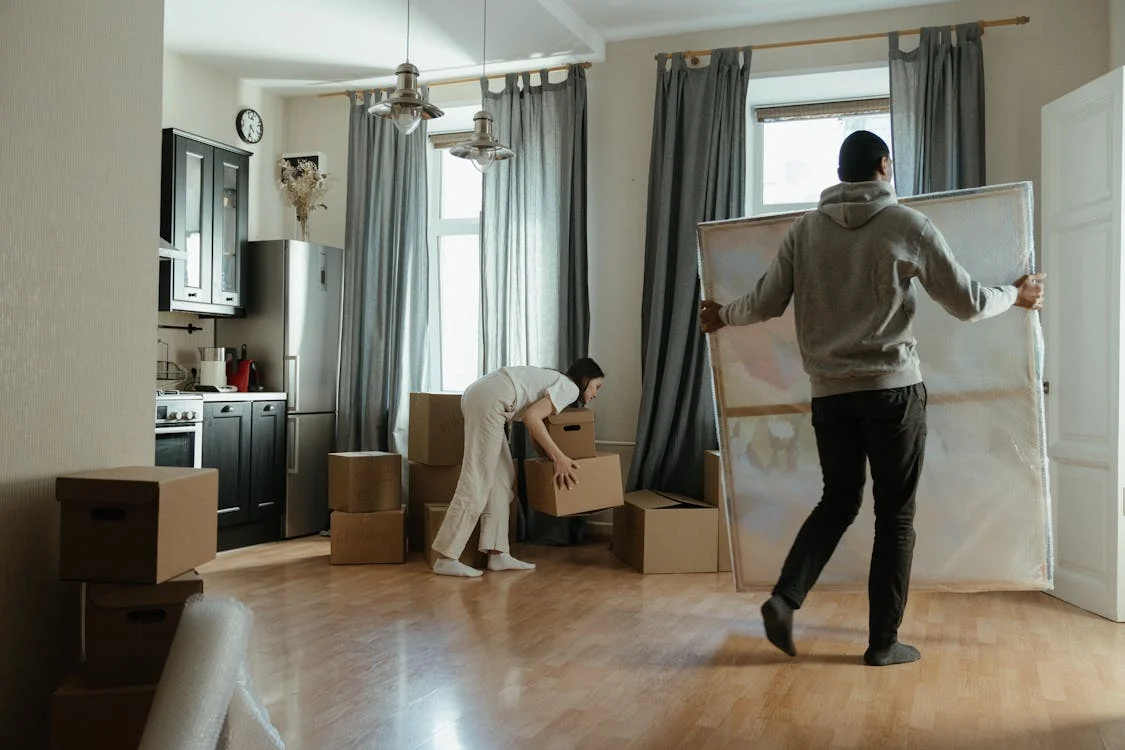
Moving into a new home is an exciting step, but getting everything set up in an organized way can feel overwhelming. A well-arranged space makes daily routines easier and helps create a comfortable, stress-free environment. Taking the time to organize rooms properly from the beginning prevents clutter and allows the home to function efficiently.
The key to a smooth transition is unpacking with a plan. Instead of rushing to empty boxes, focusing on high-priority areas first helps establish order. Arranging furniture thoughtfully and setting up storage solutions early will make the space more inviting and practical. This guide offers tips to organize a new home in a way that maximizes comfort and functionality.
Unpacking with a Purpose
Unpacking is often the most time-consuming part of moving, but approaching it with a plan makes the process easier. Instead of opening every box at once, start with essential rooms like the kitchen, bedroom, and bathroom. These areas are used most frequently, so having them set up early allows for a smoother transition.
Keeping the unpacking process organized helps prevent unnecessary messes. Sorting items by category and placing them directly where they belong reduces extra work later. For example, kitchen supplies should go straight into cabinets and drawers instead of piling up on counters.
For those moving with fragile or valuable belongings, unpacking with extra care is important. White-glove movers can help with this process by handling delicate furniture, artwork, and specialty items. Their services include unpacking and placing items exactly where they belong, saving time while preventing damage. Using professional help for these tasks allows homeowners to focus on settling in without added stress.
Creating Functional Storage Solutions
Storage plays a major role in keeping a home neat and organized. Without proper storage, items can pile up quickly, making the space feel cluttered. Setting up storage systems early makes it easier to keep everything in order from the start.
Closets should be one of the first areas to organize. Installing shelves, hanging organizers, and storage bins helps maximize space. Using matching hangers and labeling boxes makes it easier to find specific items.
Multi-functional furniture is another way to improve storage. Pieces like ottomans with hidden compartments, beds with built-in drawers, and coffee tables with shelves help keep the home tidy while maintaining a stylish look. These solutions work well in smaller spaces where extra storage is needed.
Another useful approach is categorizing items before storing them. Keeping similar items together—such as seasonal clothing, holiday decorations, or office supplies—makes it easier to stay organized. Clear storage bins or labeled containers help identify what’s inside without needing to open every box.
Arranging Furniture for Comfort and Flow
Furniture placement has a big impact on how comfortable and functional a home feels. When arranging a new space, it’s important to create an open and welcoming layout. The way furniture is positioned affects movement, lighting, and how different areas of a room are used.
One of the best ways to arrange furniture is to focus on balance. Overcrowding a space with too many large pieces can make it feel cramped, while too much open space can make a room feel empty. Finding the right balance between seating, tables, and open walkways helps create a cozy and practical environment.
In living rooms, placing sofas and chairs around a central point, such as a coffee table or television, encourages conversation and relaxation. Bedrooms should prioritize comfort, with the bed placed in a position that allows easy movement. Dining areas should have enough space around the table for chairs to be pulled out without obstruction.
Lighting is another important factor in furniture arrangement. Placing lamps near seating areas, beds, and workspaces improves functionality while making the home feel warm and inviting. Floor lamps in corners and table lamps on nightstands or desks can make a big difference in overall comfort.
Keeping Daily Essentials Accessible
Having a designated place for everyday items makes daily routines more efficient. When commonly used belongings are scattered around, finding them can become frustrating. Organizing frequently used items in specific locations helps keep everything in order.
Entryways are a good place to start. Placing hooks for keys, a small tray for wallets and mail, and a shoe rack near the door makes it easy to grab essentials on the way out. A well-organized entryway also prevents clutter from spreading into other areas of the home.
Kitchens benefit from thoughtful organization as well. Storing cooking utensils, plates, and pantry items in logical locations makes meal preparation easier. Using drawer dividers, spice racks, and labeled containers helps keep everything accessible. Keeping countertops clear by using cabinet storage makes the space look cleaner and more organized.
Closets should be arranged in a way that makes frequently worn clothing easy to reach. Hanging space for coats, shelves for shoes, and bins for accessories help prevent unnecessary searching. Folded clothes should be arranged neatly in drawers or shelves for easy access.
Maintaining a Clutter-Free Home
Once a home is organized, keeping it that way requires small daily habits. Clutter builds up quickly if items are left out or stored in the wrong place. Regularly tidying up and decluttering helps maintain a neat and comfortable living space.
One effective approach is the one in, one out method—when a new item is brought in, an old one should be donated, sold, or discarded. This prevents unnecessary buildup and keeps storage areas from becoming overcrowded.
Keeping flat surfaces clear is another way to avoid clutter. Counters, tables, and shelves should hold only necessary or decorative items. Using baskets, cabinets, and storage boxes for small items helps maintain a clean look.
Setting aside a few minutes each day to put things back in their place keeps the home looking organized. A simple routine of tidying up before bed or first thing in the morning makes a big difference in how a home feels.
Organizing a new home is about creating a space that feels comfortable, functional, and easy to maintain. Taking the time to unpack thoughtfully, arrange furniture efficiently, and set up storage solutions helps make a house feel like home.
Small changes, like keeping daily essentials in easy-to-reach places and making use of smart storage, contribute to a well-organized space. Maintaining a clutter-free home requires regular effort, but simple habits help keep everything in order.
A well-organized home allows for a more relaxed and enjoyable living experience. With a little planning, any space can be arranged in a way that supports comfort and convenience.