
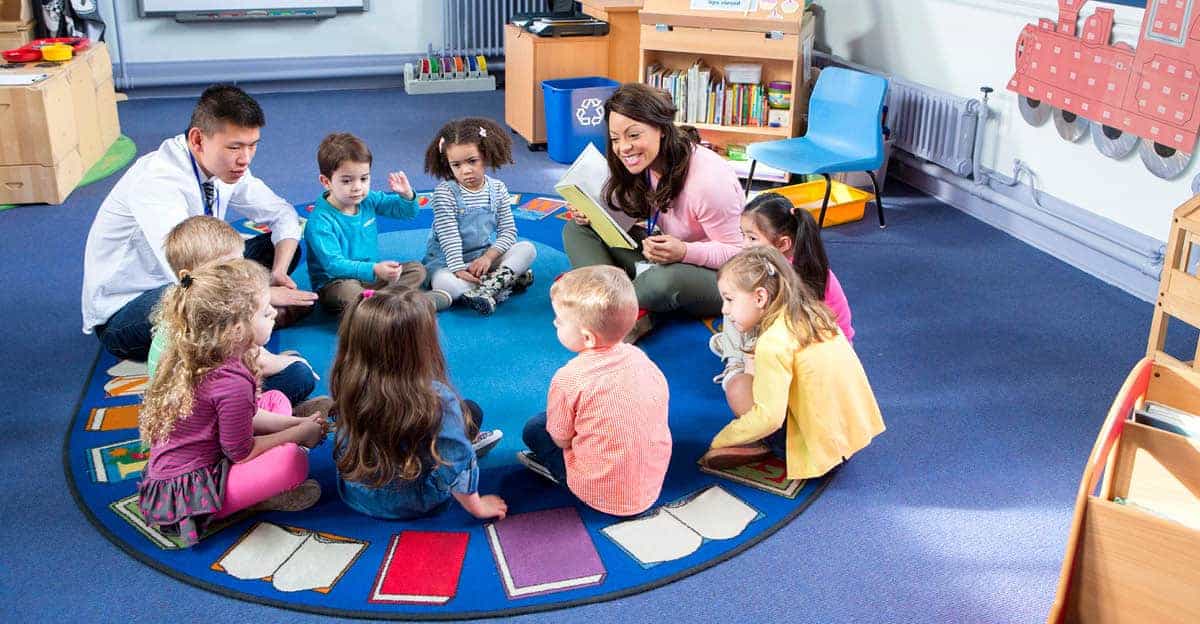
In the ever-evolving landscape of educational environments, one element stands out as both a practical necessity and a powerful pedagogical tool: the humble classroom carpet. Far from merely covering floors, these textured canvases have evolved into multifunctional assets that significantly enhance the learning experience. Whether in preschools, elementary classrooms, or specialized learning centers, the strategic implementation of classroom rugs can dramatically transform both the physical space and the educational outcomes within it.
Creating Designated Learning Zones
Modern educational theory emphasizes the importance of flexible learning environments. High-quality classroom carpets facilitate this flexibility by naturally delineating specific activity areas. Teachers increasingly utilize circular rugs for morning meetings, rectangular carpets for reading corners, and specialized alphabet designs for literacy stations. This spatial organization through flooring helps students understand behavioral expectations in different classroom contexts—quiet voices in the library corner versus collaborative discussions in the group work zone.
The physical boundaries created by these floor coverings provide essential structure for young learners still developing self-regulation skills. Children instinctively recognize that sitting on the weather-themed rug means it’s science time, while gathering on the number grid indicates a math lesson is about to begin. This visual and tactile differentiation reduces transition times and increases instructional efficiency.
Acoustic Benefits in Learning Environments
Classroom acoustics significantly impact learning outcomes, yet this crucial factor often goes overlooked in educational design. Hard surfaces create echo chambers that amplify noise, forcing teachers to compete with the cacophony of shuffling chairs, dropping supplies, and the general movement of active children. Dense, well-constructed classroom carpets absorb sound waves, reducing ambient noise by up to 70% compared to hard flooring.
This acoustic dampening is particularly beneficial for students with sensory processing challenges, attention difficulties, or hearing impairments. The noise reduction creates an environment where subtle phonetic differences become distinguishable during crucial literacy instruction. Additionally, the improved sound quality lessens teacher vocal strain—a common occupational hazard in education—and reduces student listening fatigue, allowing for sustained concentration throughout the school day.
Safety and Comfort Considerations
The physical comfort of learning spaces directly correlates with student engagement. Quality classroom rugs provide essential cushioning for floor-based activities common in early childhood and elementary settings. This padding proves invaluable during extended periods of circle time, reading groups, or project work, allowing students to focus on content rather than discomfort.
Beyond comfort, classroom carpets offer critical safety features. The slip-resistant backing prevents dangerous falls, while the cushioned surface minimizes injury severity when accidents inevitably occur. This safety aspect becomes particularly important during energetic activities or in classrooms serving students with mobility challenges.
Curriculum Enhancement Through Design Elements
Modern classroom carpets extend far beyond aesthetic considerations, functioning as interactive teaching tools embedded within the classroom infrastructure. Alphabet rugs reinforce letter recognition through daily exposure, while geometric designs create accessible references for shape identification. Geography-themed floor coverings transform mere walking paths into continent-hopping adventures, making abstract concepts tangible through physical interaction.
Number grid carpets serve multiple mathematical functions, from counting sequences to coordinate mapping. Color-coded designs facilitate grouping strategies and provide instant visual cues for classroom management. These curriculum-aligned elements transform passive floor space into active learning opportunities, maximizing instructional potential throughout the classroom footprint.
Environmental and Health Considerations
Today’s education-specific carpeting addresses historical concerns about classroom air quality. Advances in manufacturing have produced low-VOC options with antimicrobial properties that reduce allergen accumulation. Stain-resistant fibers withstand the inevitable spills of active learning environments while remaining cleanable with non-toxic solutions.
The thermal insulation provided by quality classroom rugs contributes to energy efficiency, maintaining comfortable temperatures particularly in older school buildings with inadequate heating systems. This temperature regulation creates more consistent learning conditions throughout seasonal changes.
Conclusion
The strategic selection and placement of classroom carpets represents a significant opportunity to enhance educational environments. Far beyond decorative afterthoughts, these specialized floor coverings function as architectural teaching assistants, silently supporting learning through zonation, acoustic improvement, safety enhancement, and curriculum reinforcement. As education continues evolving toward more student-centered approaches, the thoughtful integration of classroom carpets remains an essential consideration for creating optimal learning spaces where young minds can flourish.
When designing or refreshing educational environments, educators and administrators should carefully evaluate how these functional textiles can best serve their specific student populations and instructional approaches. The right classroom carpet doesn’t just cover the floor—it elevates the entire educational experience.