
Introduction
In an age of rapid consumerism, furniture has become just another disposable commodity. Fast furniture, much like fast fashion, prioritizes affordability and trendiness over durability and sustainability. Big-box retailers churn out mass-produced pieces that may look stylish today but often fall apart within a few years. As a result, landfills overflow with discarded furniture, and consumers find themselves trapped in a cycle of continuous replacements.
Yet, there is a growing shift in mindset. More people are recognizing that investing in sustainable, long-lasting furniture is not just a responsible choice for the planet but also a wise financial decision. Whether it’s a handcrafted dining table, a solid wood bed frame, or a beautifully designed corner shelf, choosing quality over convenience can have long-term benefits that go beyond aesthetics.
The Value of Timeless Design
Trendy furniture pieces may come and go, but timeless design never goes out of style. Sustainable furniture often embraces classic aesthetics, clean lines, and versatile materials that can adapt to changing interior trends. Unlike mass-produced, cheaply made pieces, sustainable furniture is often crafted using premium materials such as reclaimed wood, bamboo, and metal alloys designed to last for generations.
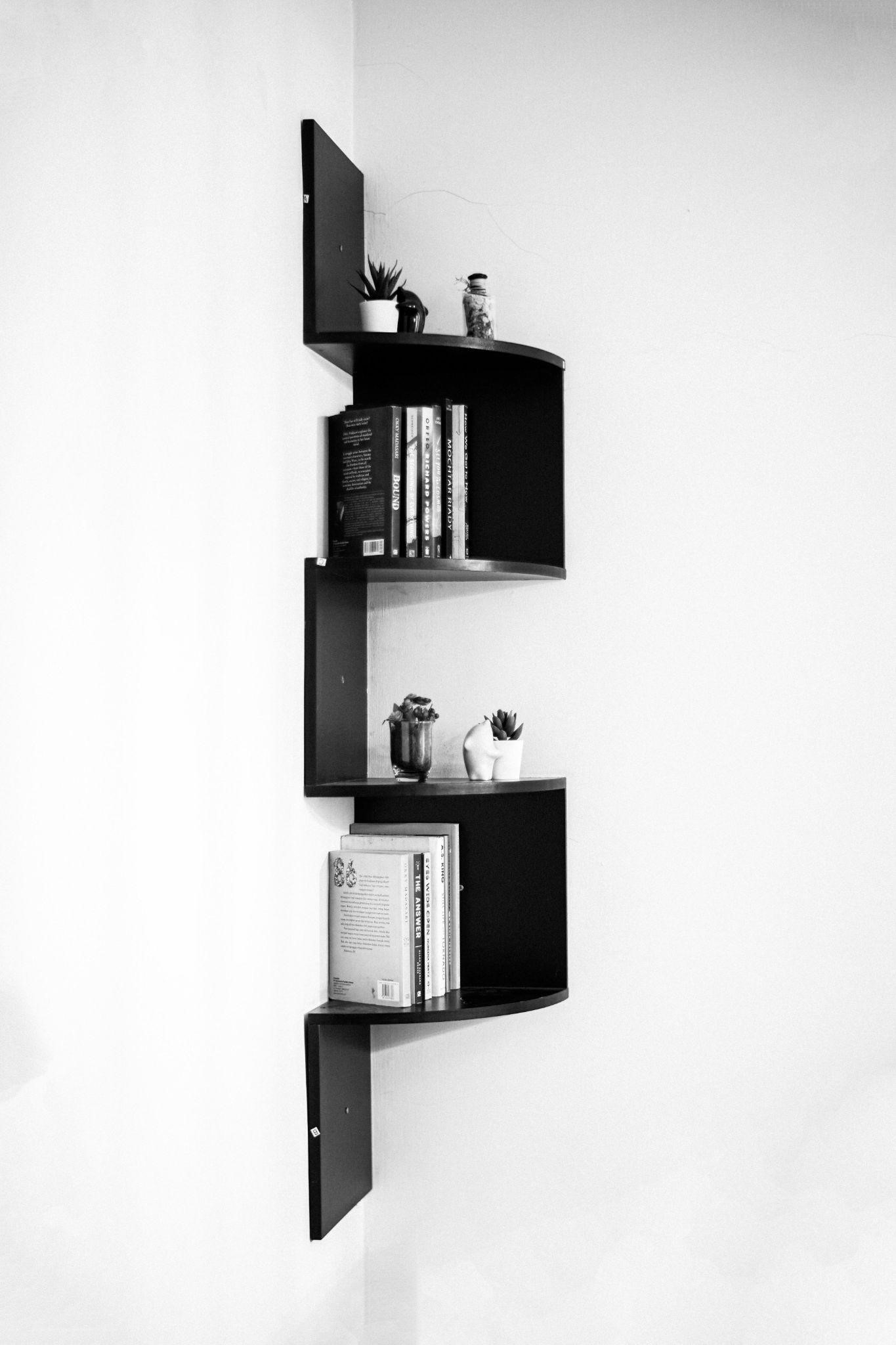
A well-designed corner shelf, for example, offers more than just storage—it provides functionality without compromising on elegance. When made from sustainable materials, it becomes a piece that can be repurposed, refinished, or integrated into various styles over time, ensuring it remains a staple in your home.
The Environmental and Financial Benefits of Sustainable Furniture
Sustainable furniture isn’t just a stylish choice—it’s a powerful investment in both the environment and your financial future. Unlike mass-produced furniture that quickly loses its appeal and integrity, sustainable pieces are built to last, reducing waste and minimizing your carbon footprint. Choosing an eco-friendly corner shelf, for example, means selecting materials sourced responsibly, such as reclaimed wood or bamboo, which require fewer resources to produce. By reducing the demand for deforestation and excessive manufacturing emissions, you are actively contributing to a healthier planet.
From a financial perspective, investing in sustainable furniture may have a higher initial cost, but its long-term value far outweighs the expense. A high-quality corner shelf crafted from durable materials withstands the test of time, unlike cheaply made alternatives that may need frequent replacements. Over the years, you’ll save money by avoiding the cycle of repurchasing and discarding worn-out furniture, making sustainability a smart financial decision as well as an ethical one.
Moreover, sustainable furniture retains its aesthetic appeal and functionality for decades. Many pieces are designed with timeless elegance in mind, ensuring that your home remains stylish without the need for constant redecorating. A corner shelf made with sustainable materials can seamlessly blend into various design trends, maintaining its charm and practicality as your interior preferences evolve. This adaptability not only enhances your living space but also reinforces the idea that true style is about longevity, not fleeting trends.
Ultimately, choosing sustainable furniture is an investment in both the present and the future. It allows you to enjoy high-quality craftsmanship while reducing your environmental impact and long-term expenses. As the demand for eco-conscious living continues to grow, your decision to incorporate sustainable elements—like a beautifully designed corner shelf—into your home speaks volumes about your commitment to responsible consumption. Sustainable furniture isn’t just a purchase; it’s a step toward a smarter, greener, and more financially sound way of living.
The Role of Multi-Functional Furniture in Sustainability
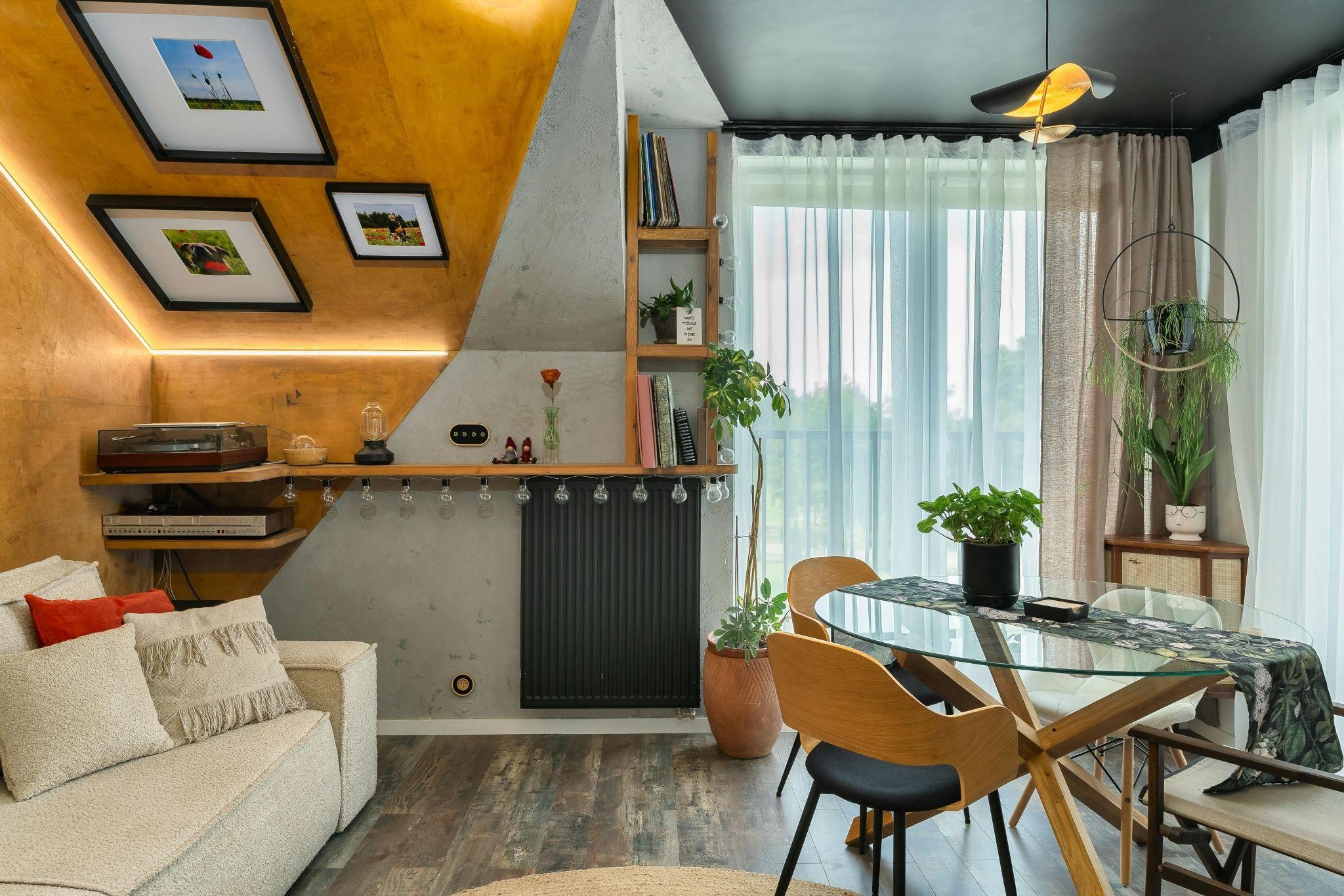
A great way to incorporate sustainability into your home is by choosing multi-functional furniture. Pieces like extendable dining tables, modular sofas, and storage-integrated designs help maximize space and adapt to different needs over time.
Take the humble corner shelf as an example. It is not just a decorative piece but also a space-saving solution for organizing books, plants, or collectibles. Instead of purchasing additional furniture for storage, investing in a well-made, sustainable corner shelf can serve multiple purposes without taking up excess room.
How to Identify Truly Sustainable Furniture
With the rise in eco-conscious consumerism, many brands claim to sell “sustainable” furniture, but not all live up to the promise. Here’s how you can distinguish genuinely sustainable pieces from greenwashed products:
Material Sourcing
Look for furniture made from FSC-certified wood, reclaimed materials, or eco-friendly alternatives like bamboo.
Non-Toxic Finishes
Traditional furniture often contains harmful chemicals such as formaldehyde. Sustainable furniture uses water-based or natural finishes that are safe for your home and the environment.
Longevity and Craftsmanship
High-quality joinery, solid wood, and durable upholstery ensure a piece will last for decades, if not generations.
Ethical Production
Brands that prioritize fair wages, ethical labor practices, and reduced carbon footprints are more likely to produce genuinely sustainable furniture.
The Future of Sustainable Interior Design
As awareness grows, the demand for sustainable furniture continues to rise. Interior designers and homeowners alike are prioritizing materials and craftsmanship over fleeting trends. The minimalist movement, which encourages people to invest in fewer but better-quality pieces, has also played a significant role in promoting sustainable choices.
Additionally, innovations in furniture design, such as upcycling and modularity, are changing the way people think about home decor. A well-placed corner shelf made from reclaimed wood can become a focal point of a room, showing that sustainability doesn’t mean sacrificing style.
Final Thoughts
In a world where trends come and go, investing in sustainable furniture is more than just a choice—it’s a commitment to quality, longevity, and responsible living. Unlike fast furniture that deteriorates within a few years, sustainable pieces, like a well-crafted corner shelf made from reclaimed wood, offer timeless beauty and enduring functionality. These pieces don’t just serve as decor; they tell a story of craftsmanship, eco-conscious decisions, and a dedication to a healthier planet.
Beyond durability, sustainable furniture supports ethical sourcing and responsible manufacturing. Choosing a corner shelf made from sustainable materials ensures that fewer trees are felled unnecessarily, reducing deforestation while promoting eco-friendly production methods. Many brands champion fair labor practices, meaning your purchase isn’t just good for your home but also for the skilled artisans behind its creation. By prioritizing sustainability, you make a positive impact on both the environment and the economy, encouraging a shift away from disposable culture.
Ultimately, the smartest investment is one that pays off over time—not just in monetary value, but in satisfaction and purpose. A timeless corner shelf, carefully chosen and sustainably crafted, will not only complement your space for decades but also serve as a reminder that true style is about more than aesthetics; it’s about responsibility, mindfulness, and a better future. As trends fade, the value of sustainable furniture remains, making it the wisest decision you can make for your home and the world around you.