
Have you ever walked into someone’s house and felt like it could’ve looked the same twenty years ago—and still worked today? It’s like the place ignored every trend report and still won. While most of us chase whatever Pinterest tells us is “in,” these homes just stay solid. They’re not flashy. They don’t scream “mid-century modern” or “Japandi” or whatever Instagram is shouting this week. And yet, they feel right. Comfortable. Familiar, but not outdated.
Timeless homes manage to skip the chaos of fads without being boring. They feel lived-in, not staged. You won’t find neon kitchen backsplashes or couches that look good but collapse when sat on. Instead, these homes carry a quiet confidence. They’ve figured out what works—and stuck with it.
In this blog, we will share what gives a home that timeless quality and why it matters, especially in a world obsessed with the next big thing.
Materials That Outlive the Trend Cycle
Let’s talk about what your home is made of. Not in a sentimental, HGTV way—but in a literal, structural sense. Because the foundation of timelessness often starts with, well, the foundation.
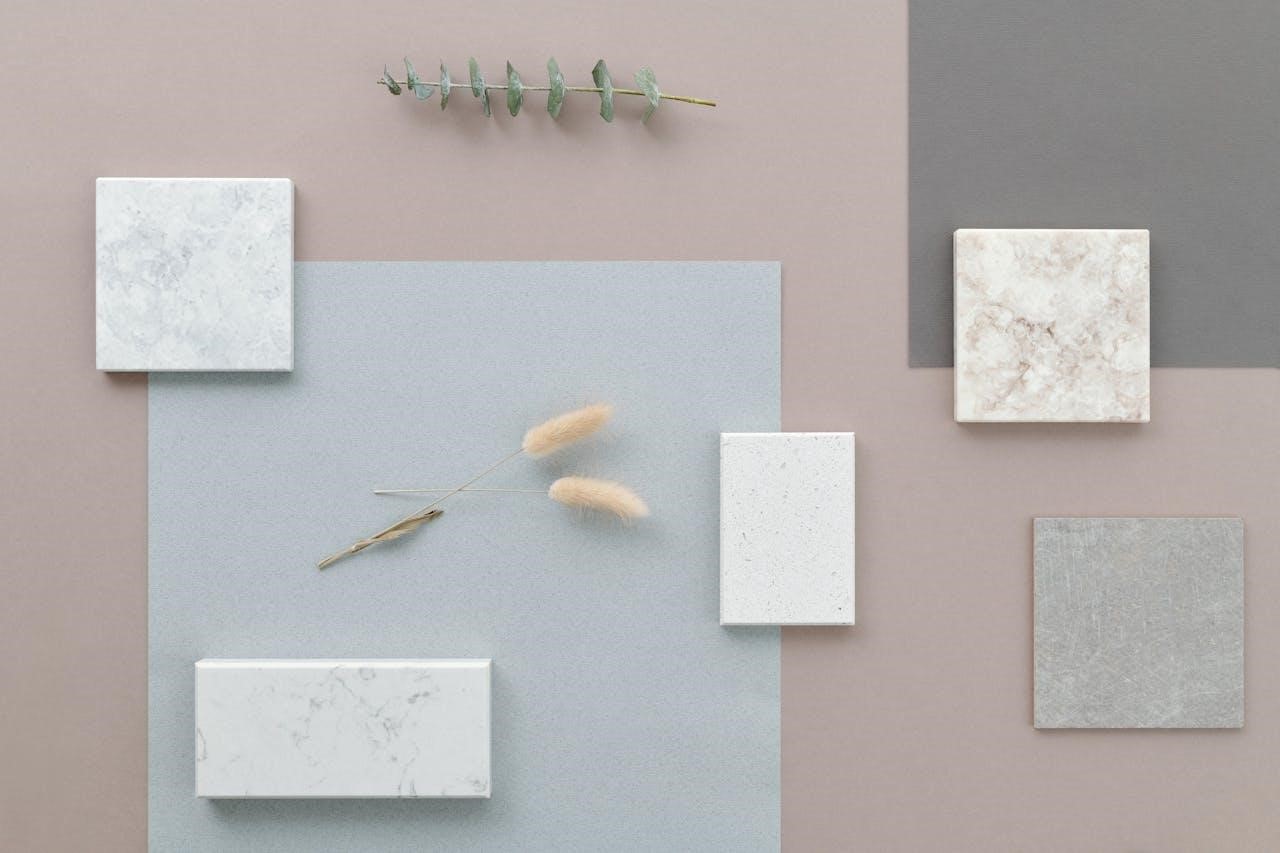
Certain materials just don’t age. Hardwood floors, for example, have been part of American homes for centuries. They may scuff, but they don’t quit. And then there’s natural stone. Whether used for countertops, fireplaces, or outdoor paths, it holds a kind of grounded beauty. Unlike plastic composites or overly glossy tiles, it gets better with age. There’s character in each imperfection.
These materials don’t scream for attention, which is the point. They play the long game. You don’t have to replace them when gray kitchens go out and forest green comes in. Plus, they pair well with almost everything. You could throw a 1970s rug next to a marble mantle and it would still work.
It’s also about texture. Flat, sterile surfaces might photograph well for a magazine, but they rarely make people feel at home. A slightly worn butcher block or a stone floor with a few dents invites you in. It tells a story.
The Subtle Power of Design Choices
Timelessness doesn’t mean neutral beige walls and zero personality. It just means being selective. Instead of chasing whatever color is being declared the “shade of the year,” these homes stick with palettes that feel grounded. Think warm whites, deep blues, or rich greens—colors that have been around long enough to prove they’re not a phase.
Furniture plays a big role too. You don’t need to own antiques to achieve timelessness, but you do need furniture with a bit of restraint. That neon velvet ottoman might be fun in a showroom, but how will it hold up in your actual life? Instead, pieces with clean lines, solid wood, and functional shapes tend to last.
Lighting, often overlooked, also shapes a space’s vibe. Trendy LED strips and color-changing bulbs can feel gimmicky after a while. But a classic table lamp or a well-placed pendant? Always welcome.
And don’t underestimate the power of layout. Open floor plans have their moment, but so do cozy, defined spaces. A timeless home finds balance between function and feel. It’s not about copying a layout from a celebrity mansion—it’s about creating spaces where life actually happens.
When Memory Becomes Design
The homes that feel the most timeless often reflect the people who live in them. There’s a framed photo of a grandparent’s wedding. A couch that’s seen both popcorn fights and naps. A quilt that nobody’s allowed to wash because it smells like childhood. These pieces aren’t curated—they’re collected.
This might sound sentimental, but it’s also deeply practical. When you build your space around meaning, you don’t feel the pressure to constantly upgrade. A cracked mug from college means more than a matching set of “aesthetic” drinkware ever will.
And you can’t buy timelessness at a store. You build it—through stories, routines, and time spent. Those little rituals, like Sunday pancakes or weeknight reading on the porch, start to shape the space more than any paint color.
Even when a home is brand new, bringing in elements of memory—family heirlooms, vintage finds, handmade items—adds layers. It softens the sense of newness and anchors the space in something deeper than décor.
What the Trend-Driven World Gets Wrong
Let’s be honest: the pressure to keep up is exhausting. One minute it’s all about minimalism. Then suddenly you’re being told your space lacks “dopamine décor.” As if serotonin levels rise with the right throw pillow.
The design industry thrives on reinvention. New trends mean new products to sell. And there’s nothing wrong with experimenting. But constant change makes it hard to feel settled. Homes should support your life, not mirror TikTok.
In the race to be “current,” we forget the beauty of staying put. There’s nothing wrong with keeping the same dining table for thirty years. If it still works, if it still gathers people—it’s doing its job. Timeless homes remind us that change isn’t always improvement. Sometimes it’s just noise.
The Future of “Forever” Homes
With more people working remotely, the line between home and office keeps getting blurrier. That makes comfort and functionality more important than ever. People are designing spaces not just to live—but to stay sane.
Timeless homes meet this challenge without losing their footing. A solid desk in a quiet corner beats any trendy home office “moment.” A comfy reading chair outlasts ten ergonomic fads.
There’s also a growing interest in multi-generational living. Families are moving in together. Guest rooms double as nurseries. Homes have to do more while still feeling whole. Timeless design—with its focus on balance, usability, and warmth—adapts better than anything else.
And as climate anxiety grows, people want spaces that feel secure. The kind of place where you can shut the door and breathe. Where the walls have stories and the floor creaks in just the right places. Timelessness feels safe. And that’s worth more than any influencer-approved aesthetic.
All in all, a timeless home isn’t frozen in the past. It moves with you, just at a quieter pace. It holds your life without overshadowing it. And in a world that keeps asking us to update, upgrade, and upload, having a space that stays the same—on purpose—feels almost radical.
So maybe the secret isn’t about getting the “right” look. Maybe it’s about building something that looks like you. That way, no matter how the trends shift, your home still feels like home.