
It’s 2 a.m. Your baby is hungry, you’re still half asleep, and after another feeding or pumping session, you suddenly realize you’re hungry too. For many breastfeeding moms, nighttime hunger is a familiar part of the postpartum routine.
Having a few lactation snacks for night feeds ready can make these moments easier. Instead of turning on the kitchen lights or preparing a full meal, you can reach for something convenient, satisfying, and easy to eat.
Many moms also search for breastfeeding snacks to increase milk supply. While no particular snack is guaranteed to boost breast milk production, eating enough and choosing a variety of nutritious foods can help support your overall nutritional needs during breastfeeding.
Here’s how to build a simple nighttime snack routine that fits around your baby’s feeding schedule without making an already tiring night more complicated.
Why Do Breastfeeding Moms Get Hungry at Night?
Breastfeeding requires energy, and caring for a newborn can make it difficult to maintain regular meal times.
You might finish dinner early, spend several hours caring for your baby, and only realize you’re hungry when you wake for a nighttime feed.
There are a few reasons nighttime hunger can become particularly noticeable:
- Increased nutritional needs: Breastfeeding requires additional energy and nutrients, so your appetite may be different from what it was before pregnancy.
- Irregular meal schedules: Feeding, pumping, and caring for your baby can interrupt normal eating routines.
- Long gaps between meals: If you haven’t eaten enough during the day, nighttime hunger may become more noticeable.
- Interrupted rest: Waking several times during the night can make it harder to maintain a consistent eating and sleeping routine.
You don’t need to force yourself to eat at a particular time. However, if you regularly feel hungry during overnight feeds, keeping a few suitable snacks nearby can be helpful.
What Makes a Good Snack for Night Feeds?
Not every snack is equally practical at night. Ideally, you want something that satisfies your hunger without requiring much preparation or creating unnecessary cleanup.
Here are four things to consider.
1. Easy to Reach and Eat
When you’re holding your baby or sitting beside your pumping equipment, you may not have both hands free.
Choose snacks that are easy to open, portion, and eat without complicated preparation.
Individually wrapped foods, small snack containers, and ready-to-eat options can all work well.
2. A Combination of Nutrients
A snack that combines carbohydrates, protein, healthy fats, and fiber may help you feel more satisfied than one made primarily of added sugar.
Some practical combinations include:
- Whole-grain crackers with nut butter.
- A banana with a handful of nuts.
- Greek yogurt with seeds.
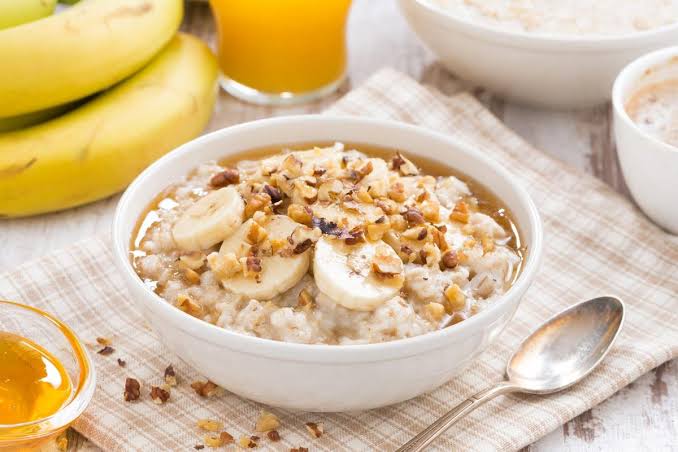
- Oatmeal with fruit.
- A ready-to-eat lactation cookie.
You don’t need every snack to contain all these nutrients. The goal is to enjoy a varied diet throughout the day.
3. Minimal Preparation and Cleanup
Nighttime is not the best time to start cooking or washing several dishes.
Look for foods that are already portioned or can be prepared in advance. If you prefer refrigerated foods, keep them safely chilled and avoid leaving perishable snacks at room temperature overnight.
4. Something You Actually Enjoy
A snack should be enjoyable, too. If you prefer something sweet, a cookie or fruit may appeal to you. If you’re craving something savory, crackers, hummus, or cheese may be more satisfying.
Having a few different options available makes it easier to respond to your appetite.
5 Practical Snack Ideas for Overnight Breastfeeding and Pumping
You don’t need an elaborate nighttime menu. A small selection of convenient foods can cover most late-night cravings.
1. Oatmeal or Overnight Oats
Oats are a familiar ingredient in breastfeeding diets and lactation-cookie recipes. They provide carbohydrates and dietary fiber.
For an easy option, prepare overnight oats before bed or earlier in the day. Combine rolled oats with milk or a suitable plant-based alternative, then add fruit, chia seeds, or nut butter.
Keep the prepared portion refrigerated until needed.
2. Banana with Nut Butter
A banana paired with peanut butter, almond butter, or sunflower seed butter makes a simple snack.
The banana provides carbohydrates, while nut or seed butter adds fats and some protein.
Prepare the spread in a small container ahead of time if you want to avoid opening several packages during a nighttime feed.
3. Yogurt with Seeds or Fruit
Yogurt can provide protein and calcium, depending on the type you choose.
Add berries, chia seeds, or pumpkin seeds for extra variety. Prepare a small portion in advance and keep it refrigerated until you’re ready to eat.
For moms who avoid dairy, a fortified plant-based alternative may be suitable. Check the protein and calcium content, as these vary between products.
4. Nuts and Dried Fruit
A small portion of nuts and dried fruit is easy to prepare and store.
Almonds, walnuts, pumpkin seeds, and dried cranberries are examples of ingredients that can be combined into a simple homemade trail mix.
Portion the mixture into small containers or bags before bedtime so you don’t have to measure anything during the night.
5. Lactation Cookies
Sometimes you simply want something ready to eat without preparing a combination of different ingredients.
Lactation cookies are a convenient option for breastfeeding and pumping moms who enjoy a sweet snack.
Many traditional recipes contain oats, flaxseed, and yeast-based ingredients. However, formulations vary, and eating lactation cookies has not been clinically established as a reliable way to increase milk production.
If you’re considering packaged options, look at the ingredient list, nutritional information, serving size, and dietary characteristics.
For example, individually wrapped lactation cookies from Momcozy are designed with breastfeeding and pumping routines in mind.
Each 20 g cookie provides:
- 400 mg sunflower lecithin
- 2 g plant-based protein
- 1 g dietary fiber
- 100 calories
The 4+2 ingredient blend combines oats, dried yeast fermentate, chia seeds, flaxseed, sunflower lecithin, and pumpkin seeds.
The cookies are vegan and fenugreek-free. Their recipe is made without soy, milk, eggs, wheat, or peanuts, although they may contain almonds.
Available in cranberry, chocolate, and caramel flavors, each cookie is individually wrapped. This makes it easy to keep one beside your nursing chair, in your pump bag, or ready for an overnight feeding session.
Momcozy recommends two cookies daily as part of your usual diet. They can be enjoyed together or at different times, including before, during, or after pumping, or whenever a snack fits your routine.
Can Nighttime Snacks Help Increase Breast Milk Supply?
This is a common question, particularly for moms who notice changes in pumping output or worry that their baby isn’t getting enough milk.
You may see certain ingredients described as galactagogues, a term used for foods, herbs, or other substances traditionally believed to support milk production.
Common ingredients discussed in lactation foods include:
- Oats
- Flaxseed
- Brewer’s yeast
- Chia seeds
- Fenugreek
However, the evidence supporting individual foods as reliable milk-supply boosters is limited. Eating a particular snack at night does not guarantee increased milk production.
Adequate nutrition and hydration are important during breastfeeding, but effective and regular milk removal also plays a major role in maintaining milk production.
If you’re concerned about your supply, consider discussing your feeding and pumping routine with an IBCLC rather than relying on a particular food.
What About the Time It Takes to Notice a Difference?
Some breastfeeding moms report changes in pumping output after adding lactation cookies to their routine, but individual experiences vary.
In a seven-day Momcozy internal consumer evaluation involving 36 breastfeeding moms, 63.9% reported an increase in milk output. Some participants reported noticing changes as early as Day 2.
These findings reflect self-reported experiences from a small group of participants. They are not clinical proof that the cookies caused an increase in milk production, nor do they establish a universal timeline.
If you’re interested in understanding how to interpret these experiences, see this guide to how long lactation cookies take to work.
The important thing is to avoid treating a particular number of days as a guaranteed result or increasing your snack intake simply because you haven’t noticed a change.
How to Prepare a Nighttime Feeding Snack Station
One simple way to make overnight feeds easier is to prepare a small snack station before going to bed.
You don’t need a separate table or complicated setup. A small basket or designated shelf near your usual feeding area may be enough.
Consider including:
Shelf-stable snacks
- Individually wrapped lactation cookies.
- Small portions of nuts and dried fruit.
- Whole-grain crackers.
- Other packaged snacks that fit your dietary preferences.
Drinks
- A reusable water bottle.
- A cup with a secure lid.
Useful supplies
- Napkins.
- A small trash container nearby.
- A dim nightlight for navigating the space.
For refrigerated foods such as yogurt, cheese, or cut fruit, prepare individual portions in advance and keep them in the refrigerator until needed. Don’t leave perishable food beside your bed throughout the night.
If you have a partner, ask them to help refill your snack basket or prepare your nighttime supplies during the day.
A little preparation can reduce the number of decisions you need to make when you’re already tired.
How to Make Night Feeds Easier on Your Sleep
A nighttime snack can help with hunger, but your overall feeding environment matters too.
A few small adjustments can make overnight routines less disruptive.
- Keep lighting dim: Use a soft nightlight rather than switching on bright overhead lights.
- Prepare supplies in advance: Keep feeding essentials, water, and suitable snacks within reach.
- Avoid unnecessary kitchen trips: Choose ready-to-eat options whenever possible.
- Ask for help: If someone can assist with diaper changes or other tasks, use that time to rest.
- Prioritize safe feeding: If you’re extremely tired, be mindful of the risk of falling asleep while holding or feeding your baby. Avoid feeding on a couch or armchair when you may fall asleep, and return your baby to a separate, firm, flat sleep surface on their back after feeding.
Remember that newborns often need nighttime feeds. The aim isn’t to eliminate necessary feedings but to make them more manageable for everyone.
Final Thoughts
Nighttime breastfeeding and pumping can be demanding, especially when you’re hungry and already short on sleep.
Keeping a few easy-to-reach snacks nearby can make these moments more comfortable. From overnight oats and fruit with nut butter to individually wrapped lactation cookies, the best options are the ones that fit your appetite, dietary needs, and routine.
If you’re looking for breastfeeding snacks to increase milk supply, remember that no single food guarantees a change in milk production. Focus on eating enough, staying hydrated, and maintaining effective milk removal.
And when nighttime hunger strikes, having something ready to eat can be one less thing to worry about.